
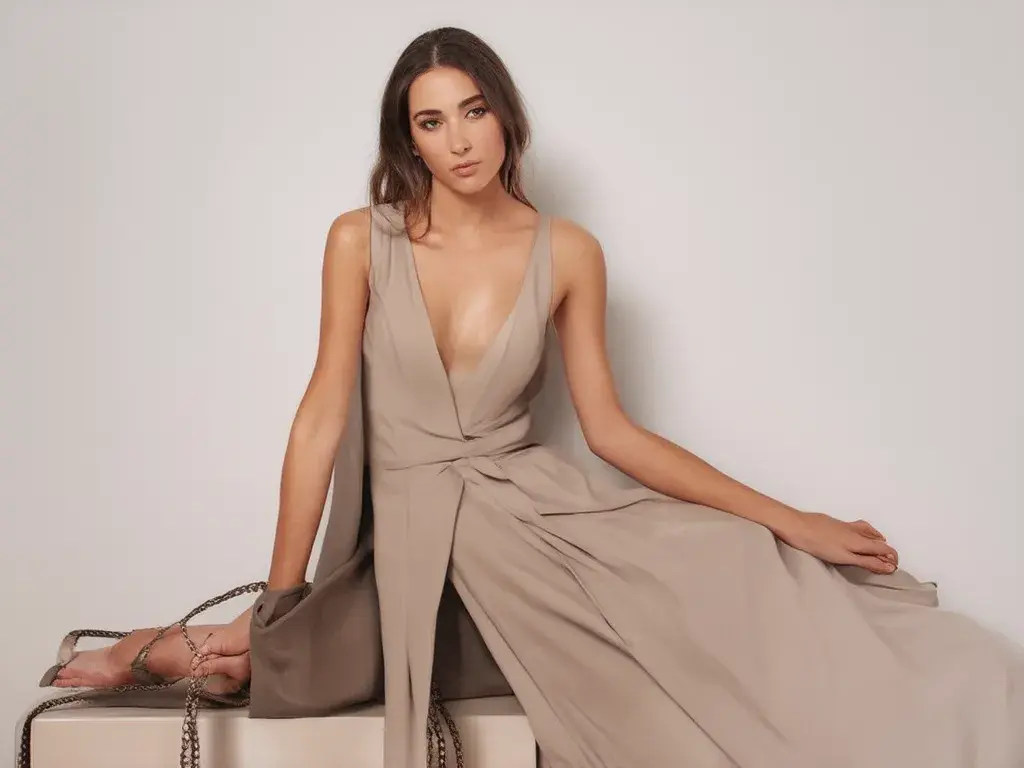
Introduction: The Quiet Return of an Enduring Aesthetic
Fashion, like culture itself, moves in cycles. What once felt outdated often returns with renewed relevance, reshaped by contemporary values and modern realities. In recent years, after a long reign of bold prints, statement logos, experimental silhouettes, and visual excess, minimalism has re-emerged as a dominant force in modern fashion.
This comeback is not accidental, nor is it merely nostalgic. Minimalism today reflects deeper shifts in how people live, work, and consume. In a world defined by constant digital stimulation, social media saturation, and fast-changing trends, many consumers are gravitating toward simplicity, clarity, and intention. Minimalist fashion answers this desire with clean lines, neutral palettes, timeless silhouettes, and a renewed emphasis on quality over quantity.
Minimalism is no longer a quiet counterculture—it is becoming a central language of modern style.
Understanding Minimalism in Fashion
Minimalism in fashion is often misunderstood as plain, boring, or overly restrictive. In reality, it is a philosophy rooted in thoughtful design and purposeful choices. At its core, minimalist fashion prioritizes:
- Clean, uncomplicated silhouettes
- Neutral or muted color palettes
- High-quality materials
- Precision in tailoring and fit
- Versatility and longevity
Rather than relying on loud embellishments or seasonal gimmicks, minimalist design allows craftsmanship, proportion, and texture to take center stage. Every seam, fabric choice, and silhouette is intentional.
Historically, minimalist fashion gained prominence in the late 20th century through designers who rejected excess in favor of restraint. Today’s version, however, feels warmer, more adaptable, and more inclusive—designed for real life rather than conceptual runways.
From Maximalism to Minimalism: Why the Shift Is Happening Now
The resurgence of minimalism is closely tied to cultural and psychological shifts happening worldwide.
1. Fashion Fatigue and Trend Burnout
Fast fashion and trend cycles have accelerated dramatically. New micro-trends appear weekly, driven by social media algorithms and influencer culture. While exciting, this constant churn has led to consumer fatigue. Many people feel overwhelmed by the pressure to constantly update their wardrobes.
Minimalism offers relief. Instead of chasing trends, it encourages building a cohesive wardrobe that works season after season.
2. The Rise of Conscious Consumption
Modern consumers are increasingly aware of the environmental and ethical impact of their purchases. Minimalist fashion aligns naturally with sustainability by promoting:
- Fewer but better-quality garments
- Reduced waste
- Long-lasting materials
- Ethical production practices
Owning less—but owning better—has become a powerful statement.
3. Lifestyle Changes and Practicality
Remote work, flexible schedules, and hybrid lifestyles have blurred the line between formal and casual wear. People want clothing that transitions seamlessly from work to personal life.
Minimalist pieces—tailored trousers, crisp shirts, elevated knitwear, structured outerwear—offer versatility without sacrificing style.
The Modern Minimalist Wardrobe: Key Elements
Minimalism today is not about strict uniform dressing. Instead, it is about curating a wardrobe that feels cohesive, functional, and expressive without excess.
Neutral Color Palettes
Modern minimalist fashion leans heavily on neutral tones such as:
- White and off-white
- Black and charcoal
- Beige, sand, and camel
- Gray and taupe
- Soft browns and muted earth tones
These colors create visual harmony and allow for effortless mixing and matching.
Timeless Silhouettes
Rather than exaggerated shapes, minimalist fashion favors silhouettes that endure:
- Straight-leg trousers
- Tailored blazers
- Slip dresses
- Button-down shirts
- Structured coats
These pieces remain relevant regardless of seasonal trends.
Fabric and Texture as Design
Without heavy prints or decorations, fabric quality becomes essential. Wool, cotton, silk, linen, and cashmere add depth and interest through texture alone. Subtle variations in weave, weight, and finish elevate even the simplest garments.
Minimalism Is Not the Absence of Personality
One of the biggest misconceptions about minimalist fashion is that it erases individuality. In reality, minimalism shifts the focus from external noise to personal presence.
When clothing is stripped of excess, what remains is confidence, posture, and authenticity. Styling becomes more intentional—how a garment fits, how it moves, how it complements the wearer.
Personal style within minimalism often emerges through:
- Tailoring choices
- Layering techniques
- Footwear selection
- Subtle accessories
- Grooming and overall presentation
Minimalism doesn’t hide personality—it frames it.
Minimalism and Gender-Neutral Fashion
Another reason minimalism resonates today is its natural alignment with gender-fluid and gender-neutral fashion movements. Clean silhouettes, neutral colors, and functional design transcend traditional gender norms.
Many modern minimalist collections are intentionally inclusive, focusing on form and function rather than rigid categories. This flexibility allows wearers to define style on their own terms.
How Brands Are Embracing the Minimalist Revival
Fashion brands across all levels—from luxury houses to independent labels—are re-centering minimalism in their collections.
Focus on Craftsmanship
Designers are emphasizing:
- Precision tailoring
- High-quality fabrics
- Attention to construction details
This craftsmanship-driven approach restores value to garments beyond branding.
Smaller, More Intentional Collections
Instead of releasing countless trend-driven pieces, many brands are offering refined capsules designed to mix seamlessly. This strategy supports sustainability while strengthening brand identity.
Elevated Basics
Minimalist fashion has transformed basics into statement pieces. A perfectly cut white shirt, an impeccably tailored coat, or well-constructed trousers now carry as much impact as bold runway looks once did.
Styling Minimalism for Everyday Life
Minimalist fashion is most powerful when it integrates effortlessly into daily routines.
For Work
- Neutral blazers paired with relaxed trousers
- Crisp shirts styled with understated accessories
- Monochromatic outfits for a polished appearance
For Casual Wear
- Simple knitwear layered over quality basics
- Clean sneakers or loafers
- Relaxed silhouettes in natural fabrics
For Special Occasions
- Sleek dresses or tailored suits
- Minimal jewelry
- Emphasis on fit and fabric rather than embellishment
Minimalism adapts to context without losing its identity.
Minimalism in a Digital-First Fashion Era
Social media has played a surprising role in the minimalist revival. While platforms often amplify bold visuals, they have also created space for clean aesthetics that feel calming amid visual overload.
Minimalist outfits photograph well, convey sophistication, and signal maturity. As audiences grow more selective, refined simplicity stands out precisely because it does not compete for attention.
The Emotional Appeal of Minimalist Fashion
Beyond aesthetics, minimalism offers emotional benefits. A curated wardrobe reduces decision fatigue, creates a sense of order, and fosters confidence.
Knowing that each piece works together simplifies daily life. Dressing becomes less about keeping up and more about feeling grounded and self-assured.
In this way, minimalist fashion aligns closely with broader lifestyle movements focused on mindfulness, intentional living, and mental clarity.
Is Minimalism a Trend or a Long-Term Shift?
While fashion trends come and go, minimalism has proven its resilience over decades. Its current resurgence suggests not a fleeting moment, but a recalibration of values.
As consumers prioritize longevity, sustainability, and authenticity, minimalist fashion is likely to remain relevant—even as it evolves. New interpretations will emerge, but the core principles of simplicity and intention will endure.
Conclusion: Why Less Truly Is More
Minimalism’s return to modern fashion is not about rejecting creativity or expression. It is about refining them. In an era defined by speed, noise, and excess, minimalist fashion offers clarity, confidence, and calm.
By focusing on quality, fit, and timeless design, minimalism empowers individuals to express themselves without distraction. It invites wearers to invest thoughtfully, dress intentionally, and embrace the power of restraint.
As fashion continues to evolve, minimalism stands as a reminder that sometimes, the most impactful statements are made quietly—and that less, indeed, can be more.

Leave a comment
Your email address will not be published. Required fields are marked *